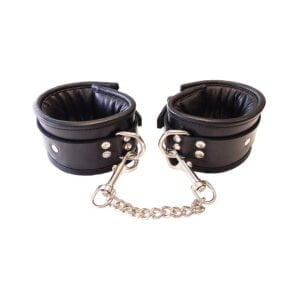
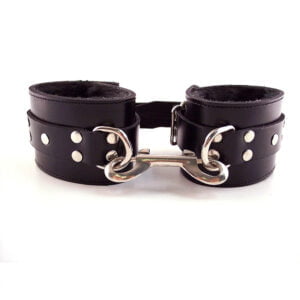
They come in a variety of materials, from metal to padded leather, each offering a different feel and level of comfort. High-quality options can be found in places like Mrs. Hunter, where they carefully craft their products to ensure safety and comfort. The key to enjoying handcuffs lies in communication and providing both partners feel safe and comfortable.As we look deeper into this topic, you'll discover the various types of handcuffs suited for BDSM, their benefits, and how they can enhance your experiences. Exploring these options with curiosity and care can lead to more fulfilling connections with your partner.
Understanding BDSM and Handcuffs
In the realm of BDSM, handcuffs are a popular tool that symbolises control and restraint. They play a significant role in power dynamics and contribute to heightened arousal through bondage experiences.
Defining BDSM and Its Dynamics
BDSM stands for Bondage, Discipline, Dominance, Submission, Sadism, and Masochism. It is a complex and diverse set of practices centred around role-playing games that involve giving and receiving control. Within this framework, individuals often explore fantasies involving power exchange and restraint.In BDSM, consent and communication are crucial, ensuring a safe and enjoyable experience for all involved. Understanding each other's limits and desires allows participants to delve into different scenarios with confidence. Trust is built through these shared experiences, as control is often exchanged in various degrees, enhancing the emotional and physical connection between partners.
Role of Handcuffs in BDSM
Handcuffs serve as a key tool in BDSM by offering a tangible method of restraint and control. They limit the movement of individuals, which can amplify sensations and focus attention on other sensory experiences.Handcuffs can range from metal designs to softer materials like leather or nylon, depending on comfort and experience level. Restraints like handcuffs are often chosen for their symbolic meaning of submission as well as the physical feeling of being held in place. Their use in BDSM scenarios can lead to increased arousal by heightening anticipation and vulnerability, making them a staple in bondage practices.
Types of Handcuffs and Their Uses
In this section, we explore variations in handcuff materials and designs, the differences between ankle cuffs and wrist restraints, plus the role of sensory toys like blindfolds and massage candles in enhancing experiences. Understanding these elements can deepen your engagement in BDSM practices while ensuring safety and comfort.
Materials and Designs
Handcuffs come in a range of materials, each offering distinct experiences. Metal cuffs, often made from stainless steel or nickel, are lauded for their durability and secure fit. They lock tightly around the wrists and contribute to a sense of restraint and immobility. Alternatively, vegan leather cuffsbalance aesthetics with comfort. These cuffs are soft against the skin, making them suitable for prolonged use without discomfort.We also have innovative designs, like chain-link handcuffs, which provide some flexibility, and cuffs that utilise hinges or rigid bars for firmness. Each type of restraint is designed with specific situations and preferences in mind, catering to both experienced users and novices looking to explore.
Ankle Cuffs Versus Wrist Restraints
When comparing ankle cuffs to wrist restraints, we must consider their purposes and effects. Wrist restraints are typically used to limit arm movement, keeping the hands bound either in front or behind the body. This restriction can intensify sensations and promote a feeling of vulnerability or submission. On the other hand, ankle cuffs are designed to restrict leg movement.Ankle cuffs are effective in scenarios where leg motion needs to be controlled, such as in standing or lying positions. They are key in exploring power dynamics and can be combined with other restraints for a more immersive experience. Both forms of bondage play vital roles depending on the desired physical constraints.
Incorporating Other Sensory Toys
Incorporating sensory toys alongside handcuffs can transform the tactile experience. Adding a blindfold heightens other senses, leading to increased anticipation and excitement. The inability to see enhances the feeling of restraint and can make every touch more electrifying. Partnering restraints with a massage candle is another way to introduce sensual elements into play. As the wax melts, it transforms into warm massage oil, adding a comforting layer to the bondage experience.Using handcuffs with sensory toys encourages exploration and creativity, allowing us to design personalised and memorable encounters. It is about balancing restraint with sensory stimulation for a fulfilling, shared experience.
Safety and Communication
In the world of BDSM, safety and communication are paramount. Our focus is on ensuring that both partners feel secure and understood. It's essential to set clear boundaries and use strategies to prevent harm while exploring these practices.
Importance of Consent and Safe Words
Consent is the foundation of any BDSM activity. We must establish clear agreements with our partners before engaging in any acts. This involves frank discussions about limits and boundaries, ensuring that everyone is comfortable with the planned activities.Using a safe word is critical to maintaining control. This word should be agreed upon in advance and can be used by anyone to stop or pause the activity if needed immediately. It acts as a safety net, allowing each person to express discomfort without breaking the mood or flow of the scene. Using terms that have no other meaning in the context, such as""re"" for stop, can prevent confusion.
Handling Restraints Without Harm
When using restraints in BDSM, safety must be our top priority. Proper technique is crucial to avoid injury and ensure circulation is not impeded. We need to choose the right type of rope or cuffs and ensure they are applied in a manner that does not cause pain unless intended, considering pressure points and circulation.It is vital to regularly check for any signs of distress or numbness. Communication is more than verbal; we must watch for nonverbal cues indicating discomfort. Partners should also be aware of how to release restraints quickly if needed, using quick-release knots or easy-to-unlock cuffs. Achieving safety in such an intimate practice enhances trust and overall arousal, ensuring a more fulfilling experience.
Frequently Asked Questions
In the world of BDSM, understanding the variety of restraints and their uses is vital. Safety and maintenance of these devices are also key concerns. Let's dive into some of the most common questions about handcuffs in this context.
What purpose do furry handcuffs serve?
Furry handcuffs are often used to add an extra level of comfort while maintaining restraint. They serve to reduce chafing and discomfort, making them ideal for beginners or extended use where skin irritation might be a concern. The added texture can also enhance sensory experiences during play.
How can one ensure safety while using restraints?
Safety is paramount when using restraints. To ensure a safe experience, it is crucial to communicate clearly with your partner. Always have a safe word in place and check for any signs of discomfort. Ensure that the restraints are not too tight and that blood circulation is not compromised.
What are the distinguishing features of professional-grade restraints?
Professional-grade restraints often feature durable materials such as leather or reinforced steel for strength and longevity. They are designed for maximum security and comfort, with locking mechanisms and adjustable fittings. They may also have softer linings to protect the skin during use.
How does one select the appropriate restraint for a particular activity?
Selecting the right restraint involves considering the desired level and the experience of those involved. Silk or furry handcuffs are suitable for gentle restraint. For more restrictive play, leather or metal cuffs offer a higher degree of security. It's important to match the restraint to the comfort level of all parties involved.
What methods exist for effectively cleaning and maintaining such devices?
Proper cleaning and maintenance of restraints are essential for hygiene and longevity. For leather cuffs, use a leather cleaner followed by a conditioner. Metal cuffs should be wiped down with a damp cloth and dried thoroughly. Always store the restraints in a dry, cool place to prevent damage.
What should beginners know before incorporating restraints into activities?
Beginners should focus on establishing trust and comfort with their partner. They should start with lighter restraints and gradually explore different types. It's important to remain open to feedback and adjust the level of restraint or type of handcuff as needed to ensure a positive experience for everyone involved.