


Our exploration highlights their role in building trust within BDSM relationships. Trust is essential for ensuring safety and comfort during roleplay. For those considering a gag, open communication about boundaries is crucial. This creates a safe environment where everyone feels respected and secure.Wearing a gag can amplify the submissive partner's sense of vulnerability. It becomes a tool for deepening the connection and understanding between partners. As we guide you through using it, our focus is on making informed choices that prioritise safety and mutual respect in BDSM.
Types of Gags in BDSM
In the world of BDSM, gags are used to enhance the experience by preventing speech and sometimes controlling breathing. Each type of gag serves a different purpose and offers a unique experience for both the dominant and submissive partners.
Ball Gags
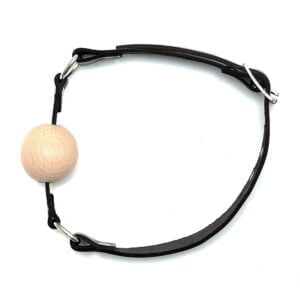
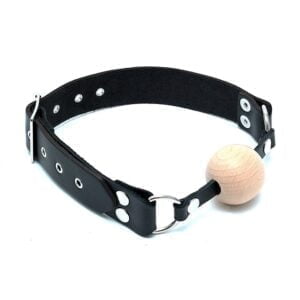
Ball gags are a popular choice in BDSM scenes. They consist of a ball, usually made from rubber or silicone, attached to a strap. This type of gag is secured behind the teeth, making speech nearly impossible and often causing drooling.One variation is the breathable ball gag, which has holes to allow airflow. This provides some comfort while still maintaining control over speech. The size of the ball varies, offering different levels of restraint and comfort.
Bit Gags
Bit gags resemble horse bits and are held in place by straps that wrap around the head. Unlike ball gags, they allow for some level of speech, though usually limited and muffled.These gags are often used by those who prefer a less intrusive option. They are typically more comfortable for longer wear and are popular in scenes involving ponyplay or other role-playing scenarios. The material is usually silicone or rubber, providing both flexibility and durability.
Ring Gags
Ring gags consist of a metal or plastic ring held in place with straps. This type of gag keeps the mouth open, making speech impossible. Also known as o-ring gags, they allow for a wide range of activities, including oral play.Ring gags can be uncomfortable due to the constant pressure on the teeth and jaw. They come in various sizes, and it's important to choose one that fits the user comfortably to avoid any potential harm or strain.
Open Mouth Gags
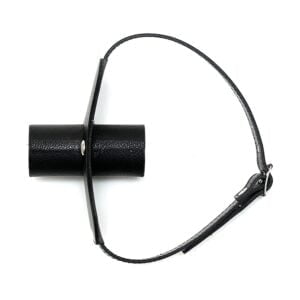
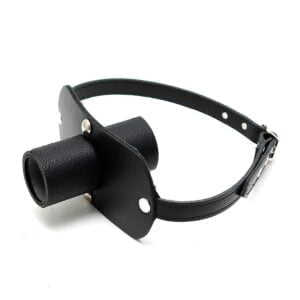
Open-mouth gags are designed to keep the mouth open without obstructing airflow. Similar to a ring gag, they do not restrict breathing and allow for oral activities.These gags can be made from different materials, such as metal or silicone, and sometimes have additional features like padding for comfort. They are often used in bondage and fantasy role-play scenarios, offering both control and accessibility.
Panel and Tape Gags
Panel gags feature a flat panel that covers the mouth, often part of a muzzle that straps around the head. This type of gag can look intimidating but is effective in silencing the wearer completely.Tape gags, made from materials like duct tape or gaffer tape, are simple yet effective. They are applied directly over the mouth and can sometimes be combined with a ball or bit gag for extra security. It's crucial to select a tape that's safe for the skin to avoid irritation.
The Psychological Aspect of Gag Use
In the realm of BDSM, using gags plays a significant role beyond physical sensation. It is intertwined with psychological elements such as silence, submission, vulnerability, power dynamics, and feelings of humiliation or discomfort.
Silence and Submission
When we use a gag, it fosters silence, which can heighten the experience of submission. The inability to speak forces participants to focus more on non-verbal cues and emotions. This silence can intensify the feeling of relinquishing control, allowing us to immerse fully in the submissive role.Silence can lead to deep introspection and emotional release. For some, it may create a meditative state, enhancing the dynamics of submission and cognitive distancing from everyday stressors. Gags can deepen the trust and connection between partners, which is foundational to a safe and consensual BDSM experience.
Vulnerability and Power Exchange
Gags can amplify feelings of vulnerability by limiting communication. This vulnerability is central to the power exchange dynamic in BDSM. When we gag someone, it heightens their dependence on the dominant partner, fostering a sense of trust and an intense connection. The restrained communication enhances emotional intimacy, which can make the scene more fulfilling.Through this dynamic, we explore boundaries and challenge comfort zones, safely expanding emotional and psychological awareness. Vulnerability, in this context, is not about weakness but about trust, the strength of support, and mutual understanding within the exchange.
Humiliation and Discomfort
Humiliation can be an intentional part of gag use within BDSM. For some individuals, the act of gagging symbolises submission and creates a unique blend of shame and excitement. This complex emotional mix can be exhilarating and is a significant factor in the psychological landscape of BDSM.Discomfort often accompanies humiliation, as wearing a gag can be physically and mentally challenging. Yet, this discomfort can be a sought-after sensation, adding another dimension to the experience. It can push us to acknowledge and confront deep-seated emotions, ultimately leading to personal growth and increased self-awareness. Ensuring that all parties understand and consent to these dynamics is crucial for a positive experience.
Safety and Communication
When engaging in BDSM practices like using gags, safety and communication should be our primary concern. It is vital to establish trust and ensure the comfort of all involved. This includes having clear safewords, managing risks like choking and providing appropriate aftercare.
The Importance of Safewords
Safewords are crucial in BDSM play. They allow us to communicate our limits and stop a scene if things become too intense. We often choose words that are simple and easy to remember—common safewords like "red" signal a need to stop immediately.In cases where verbal communication is impaired, such as with gag use, we can use nonverbal signals. Options like holding a set of keys or using a hand gesture ensure our ability to communicate remains intact. Ensuring everyone understands these signals beforehand promotes safety and trust.
Managing the Risk of Choking
With gags, there's a risk of choking or restricted breathing. Before any session, we should check the fit of the gag to make sure it's comfortable and not too tight.It's advisable not to include breath play elements in scenes involving gags unless everyone is experienced and fully aware of the risks. If gags are used, the dominant partner should monitor the submissive partner closely for any signs of distress.Having safety tools nearby, like scissors, can be lifesaving in case the gag needs to be removed quickly. Our aim is always to ensure that both enjoyment and safety are balanced.
Aftercare Considerations
Aftercare is an essential part of BDSM practice that helps us process the experience and return to a state of emotional well-being. After the gag is removed, we should check in with each other to discuss feelings and any physical discomfort.Providing comfort through hydration and a calm environment is beneficial. The aftermath of feelings of helplessness may require reassurance and open communication. We make sure to listen to each other's emotions and provide supportive gestures, reinforcing the trust within our dynamic.
Frequently Asked Questions
Understanding gags in BDSM play requires knowledge of their purpose, safety, and types. It's essential to ensure clear communication and consider safety precautions. Let's look at some common questions.
What is the purpose of using gags in a BDSM context?
Gags are used to enhance power dynamics by limiting speech and increasing sensory awareness. They reinforce submission and intensify the experience for both partners.
How does one safely use a gag during a scene?
Safety involves ensuring the gag fits well and doesn't obstruct breathing. Always have a non-verbal safeword or gesture. Regularly check on the gagged person's comfort and ability to breathe.
What are the different types of gags available?
There are several types, including ball gags, bit gags, and others. A ball gag is commonly used and is placed behind the teeth, while a bit gag encourages drooling.
What should be considered when selecting a suitable gag?
Factors include comfort, size, and material. For beginners, a small ball gag might be ideal, while bit gags encourage drooling, which can prevent dry mouth.
How can communication be maintained when someone is gagged?
Nonverbal signals, like a finger gesture or dropping an object, can serve as safe words. They help maintain communication without speech.
What safety precautions should be taken when incorporating gags in play?
It's crucial to discuss boundaries and potential risks beforehand. Regularly check on the gagged person and ensure they can communicate distress. Always have a way to remove the gag if needed quickly.