



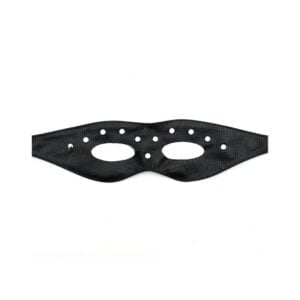
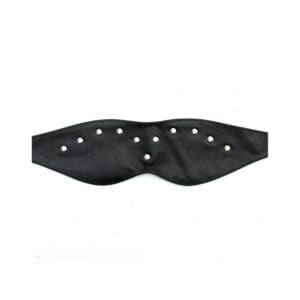
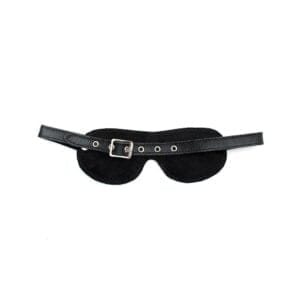
In bondage, masks combine sensory deprivation with identity concealment, offering wearers a transformative escape from reality. Crafted from materials like leather or PVC, BDSM masks come in various styles to match different preferences and roles. They help create an immersive atmosphere, leading to more intense role-play scenarios and encouraging exploration within safe boundaries.Exploring different mask styles can unlock varied experiences, each offering unique ways to connect. From full-face hoods to half-masks and muzzles, the selection caters to all kinds of kink enthusiasts. Dive into the world of BDSM masks to find what resonates with you and your partners, ensuring each moment is full of discovery and excitement.
Different Types of Masks in BDSM
In BDSM, masks can serve various functions, such as altering appearance, restricting senses, or emphasising roleplay. These masks can include full coverings like hoods or be more open with designs focused on different sensory experiences.
Bondage Hoods and Blindfolds
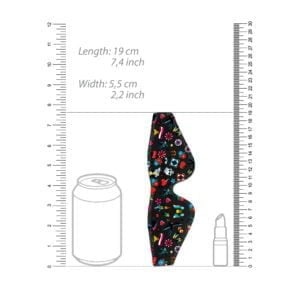
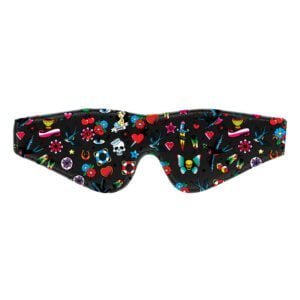
Bondage hoods and blindfolds are popular for their ability to heighten other senses by removing sight. Our focus on these items often lies in materials and types. Leather, latex, and rubber hoods offer both aesthetic appeal and functional sensory restriction. These materials ensure a snug fit and often cover the full head, enhancing anonymity and detachment.Blindfolds can be separated or integrated into hoods, adding another layer of sensory deprivation. In some designs, we find mouth holes or breathing openings carefully placed to maintain a balance between restriction and comfort. Furthermore, some hoods incorporate ear coverings, maximising isolation from sound and light.
Gags and Muzzles
Gags and muzzles serve a unique role in BDSM by focusing on mouth restriction. They can range from open-mouth designs to full muzzles that cover the lower face. Styles such as the gimp style often use leather or rubber materials to ensure durability and comfort for prolonged wear.Sometimes, combined with other elements, these accessories are invaluable for those exploring puppy play or other sub-genres where role-specific attire adds to the experience. Certain gags also fall under bondage masks and can be used with hoods for a more comprehensive sensory experience. Safety is key, so we always emphasise the importance of clear communication and ensuring the wearer's comfort.
Specialty Masks
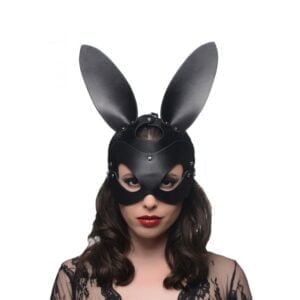
Speciality masks, like fetish masks, offer specific themes or appearances, such as the Catwoman look or gas masks. These are often used to accentuate particular fantasies or roleplays. Each design aims to transform the wearer, creating a persona that aligns with the desired scenario.Gas masks, for instance, can add elements of suspense and control to a scene. Often made from durable materials such as rubber, they encourage a unique aesthetic that appeals to many in the community. Speciality masks are designed not just for functional purposes but also to enhance visual drama and allure, making them an integral part of BDSM roleplay.
Materials and Craftsmanship
When it comes to BDSM masks, the choice of materials and the level of craftsmanship greatly impact the quality and experience. Whether crafted from leather or innovative alternative fabrics, these masks define fetish wear culture and enhance the dynamic between sub and dom.
Leather and Latex Masks
Leather is a classic choice for BDSM masks. Its strength and durability make it ideal for creating long-lasting fetish clothing. The rich scent and texture of leather can heighten sensory experiences, making it popular among both subs and doms. Quality leather masks can be customised with intricate stitching and detailing, showcasing the skill and craftsmanship involved.Latex offers a different appeal with its smooth finish and snug fit. It accentuates facial features, providing a sleek and shiny appearance. Latex masks are often loved for their glossy aesthetic and ability to conform to the wearer's face, adding an element of allure. Though less breathable than leather, they offer a unique sensory experience that many cherish.
Lace, Rubber, and Alternative Fabrics
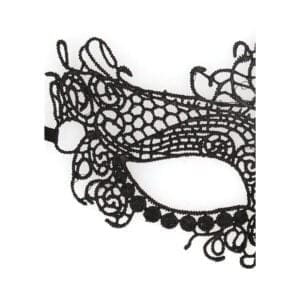
Lace brings an elegant touch to BDSM masks, adding a delicate yet provocative element to fetish wear. It allows for intricate designs while maintaining a hint of mystery. Rubber, on the other hand, is celebrated for its flexibility and resistance and is often used in more extreme bondage scenarios for its tight-fitting nature.Alternative fabrics like PVC and neoprene offer variety and innovation. They provide different textures and finishes, expanding the possibilities for customisation and unique design. The versatility of these materials allows creators to experiment with patterns and features, catering to a range of tastes within the BDSM community.
Safety and Care
When using BDSM face masks, it's vital to focus on safety and proper care. Ensuring masks fit correctly to avoid excessive restriction is key. Regular cleaning and maintenance are also essential to prolong the life of these masks. These steps help us use them safely and effectively.
Proper Fit and Restriction
Ensuring a proper fit is crucial for safety, especially with breath play or sensory play. The mask should be snug but not too tight. We must check that the wearer can communicate and breathe comfortably.Avoid excessive pressure on the face, which can lead to discomfort or even injury. Remember that restraint should be safe and consensual. If restrictions like blindfolds or muzzles are involved, keep monitoring and communication a priority. This way, any issues with the fit can be addressed promptly.
Cleaning and Maintenance
Regular cleaning is essential for maintaining hygiene and the longevity of the mask. Different materials need different care; for instance, leather can be cleaned with special wipes or a damp cloth, while latex may require specific cleaning products to avoid damage.After each use, masks should be wiped down and dried thoroughly to prevent bacteria growth. To preserve their condition, they should be stored in a cool, dry place away from direct sunlight. By maintaining these practices, we ensure our gear remains in top condition for continued safe and enjoyable use.
Roleplaying and Scenarios
In BDSM, roleplaying with face masks can enhance both dominance and submission and sensory deprivation and stimulation. These elements offer unique experiences and help deepen connections between partners.
Dominance and Submission
Roleplaying with face masks often involves elements of dominance and submission, creating a dynamic where power exchange heightens sexual pleasure. Individuals taking on the role of dom can wear masks that enhance their authoritative presence. Meanwhile, subs may wear simpler masks to symbolise submission.Masks can be paired with other BDSM toys like bondage gear or paddles, creating an immersive experience. For those just entering this realm, starting with straightforward scenarios is advisable. Encouragement and clear communication are vital to maintaining trust and ensuring enjoyable experiences.Masks used in these contexts can help liberate us from identity, allowing us to explore roles more freely. By allowing ourselves to see beyond physical appearances, the focus shifts to the feelings and experiences shared, which can deepen emotional bonds.
Sensory Deprivation and Stimulation
Sensory deprivation utilises face masks to cover senses and elevate stimulation. When we limit sight, other senses, such as touch or sound, become more acute. This heightens anticipation and excitement, making even subtle touches feel intensified. For example, combining masks with nipple clamps or restraints can amplify tactile experiences.Sensory play enhances engagement by introducing contrasting sensations. For instance, blindfolding with a mask while using a variety of textures or temperatures, such as with dildos or feathers, can enhance excitement.Mutual consent is crucial in sensory play, and boundaries should be established in advance. It's important to regularly check in with each other to ensure the experience remains pleasurable and safe. By exploring these elements, we open doors to new realms of intimacy and trust.
Frequently Asked Questions
In BDSM, masks are used for a variety of reasons, from enhancing anonymity to contributing to sensory deprivation. Ensuring safety and selecting the right type of mask are crucial aspects to consider when incorporating masks into BDSM play.
What is the purpose of masks in BDSM play?
Masks can intensify the experience by adding mystery or anonymity. They help participants assume different roles and personas. Masks can also heighten sexual tension, enhance power dynamics, or add an exciting visual element to play.
How can one ensure safety when using masks during BDSM activities?
Safety should always come first. We must ensure that masks do not obstruct breathing or become too tight. Communication is vital; all parties should feel comfortable to express any discomfort. It's wise to establish safe words or signals in case the mask becomes too overwhelming.
What are the various types of masks available for BDSM practices?
There are many types of masks, ranging from leather hoods to latex or even fabric masks. Each type has its unique appeal and function. For some, a half-mask that covers only the eyes or mouth might suffice, while others may prefer full coverage for total anonymity.
How do masks affect the dynamics of a BDSM scene?
Masks can dramatically shift the dynamics by altering how we perceive one another. They can diminish visual cues, compelling us to rely more on verbal and physical signals. This shift can increase trust and deepen the connection, as participants must carefully navigate the altered dynamic.
In what way can care be taken when selecting a mask for a BDSM session?
We should choose masks that are comfortable and fit well. Material sensitivity is crucial, especially if anyone has allergies. Checking how easily the mask can be put on and taken off ensures that it can be removed quickly if needed.
What is the significance of sensory deprivation in BDSM, and how do masks contribute to it?
Masks can be key in sensory deprivation, focusing or removing visual stimuli to enhance the other senses. This can deepen engagement in the scene, as participants might become more attuned to touch, sound, or scent. The lack of sight can intensify anticipation and the sense of vulnerability.